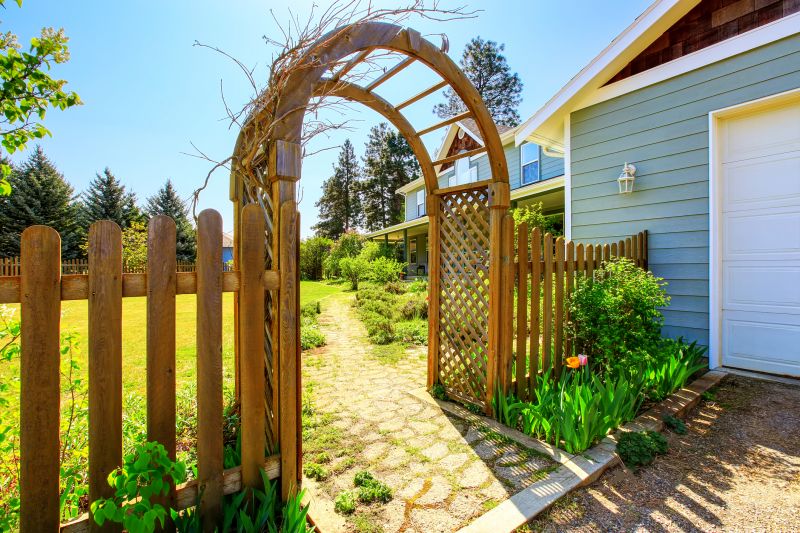
Arbor Replacement in Wilmington, NC
Arbor replacement services involve carefully removing and replacing trees that are damaged, diseased, or no longer suitable for their location. These projects typically include removing unsafe or declining trees, planting new ones, and ensuring proper site preparation and cleanup. Homeowners often request this service when a tree poses a safety risk, has become structurally compromised, or when landscaping plans call for a different type of tree to better suit the property’s aesthetic or functional needs.
Before requesting arbor replacement, property owners should consider the condition of existing trees, including signs of disease, decay, or instability. It’s also important to evaluate the space available for new plantings and understand any local regulations or restrictions related to tree removal and planting. Proper planning can help ensure that new trees are healthy and suited to the environment, and that the replacement process aligns with the overall landscape goals of the property.
Many property owners in Wilmington, NC look into Arbor Replacement for repairs, replacements, upgrades, and appearance-related improvements.
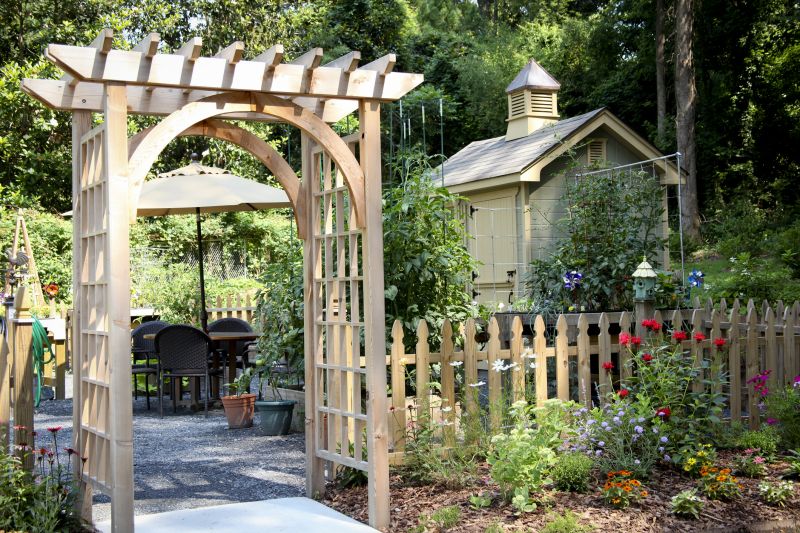
Reasons To Replace An Arbor
Older trees may pose safety risks and require replacement for continued landscape health.
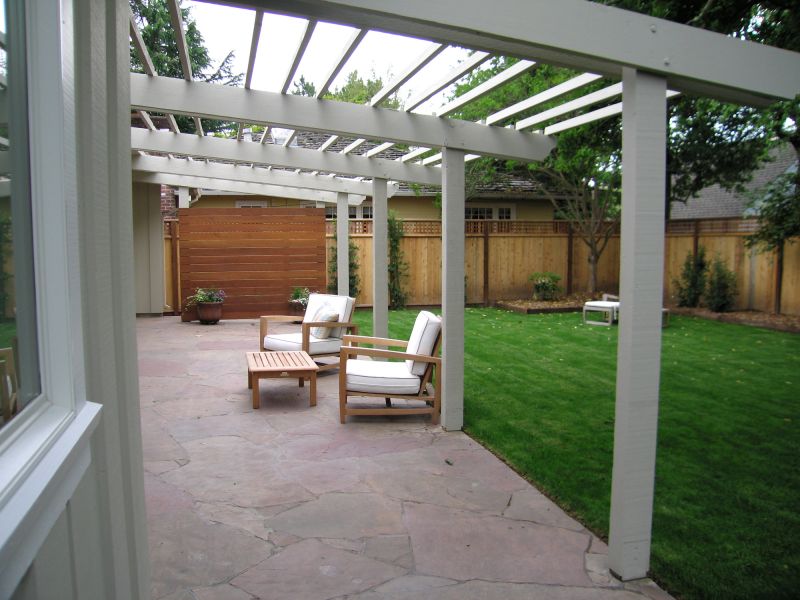
Selecting New Trees
Choosing the right species for your property ensures longevity and aesthetic appeal in wilmington, nc.
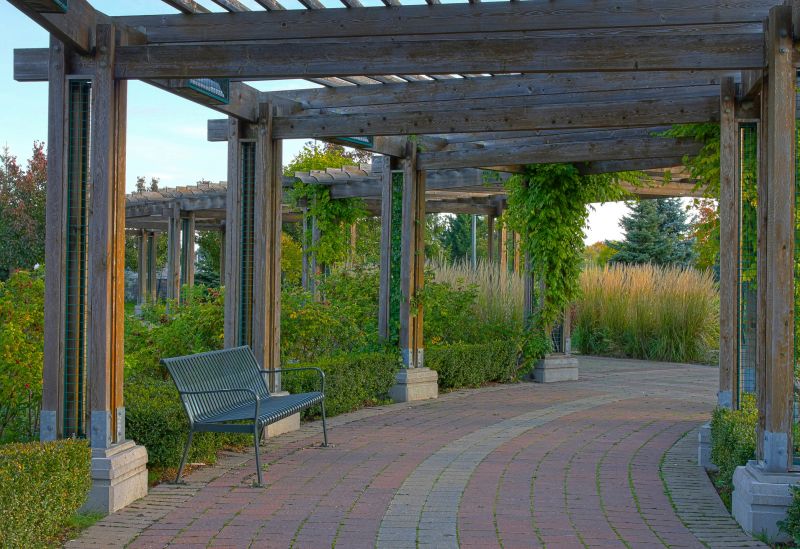
Proper Replacement Techniques
Professional arbor replacement involves careful planting to promote healthy growth and stability.
Arbor Replacement in Wilmington, NC
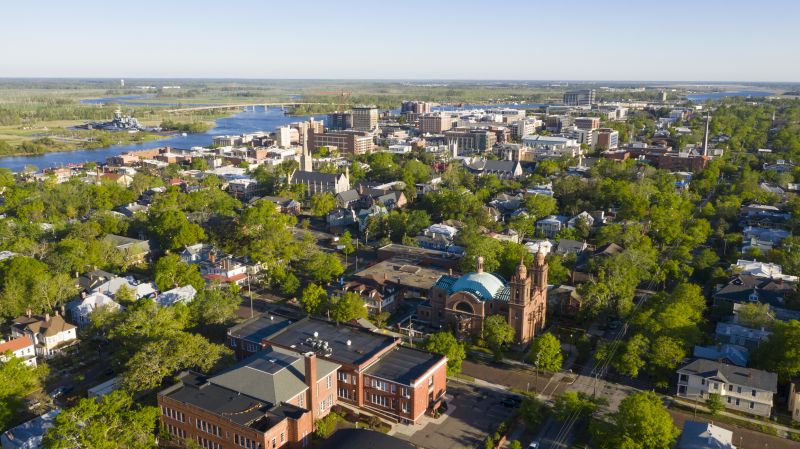
Arbor replacement services involve carefully removing and replacing trees that are damaged, diseased, or no longer suitable for their location. These projects typically include removing unsafe or declining trees, planting new ones, and ensuring proper site preparation and cleanup. Homeowners often request this service when a tree poses a safety risk, has become structurally compromised, or when landscaping plans call for a different type of tree to better suit the property’s aesthetic or functional needs.
Before requesting arbor replacement, property owners should consider the condition of existing trees, including signs of disease, decay, or instability. It’s also important to evaluate the space available for new plantings and understand any local regulations or restrictions related to tree removal and planting. Proper planning can help ensure that new trees are healthy and suited to the environment, and that the replacement process aligns with the overall landscape goals of the property.
Many property owners in Wilmington, NC look into Arbor Replacement for repairs, replacements, upgrades, and appearance-related improvements.
Common Arbor Replacement Jobs
Tree Removal - safely removing damaged or hazardous trees that threaten property or safety.
Tree Pruning - trimming branches to promote healthy growth and prevent future damage.
Stump Grinding - grinding down remaining stumps to clear space and improve landscape appearance.
Tree Replacement - planting new trees to restore or enhance the property's natural beauty.
Emergency Tree Services - responding to storm-damaged trees that pose immediate risks.
Selective Tree Removal - removing specific trees to improve sunlight, airflow, or overall landscape health.
Arbor Replacement Questions
When should a tree be replaced? Replacement is recommended when a tree shows signs of decay, storm damage, or poses a safety risk to the property.
What types of trees are suitable for replacement? Many common landscape trees, including oaks, maples, and pines, are suitable for replacement depending on the site conditions.
How does the replacement process work? The process involves removing the old tree, preparing the planting site, and planting a new tree that matches the landscape needs.
What should property owners consider before replacing a tree? Consider the location, mature size, and species compatibility with the environment to ensure healthy growth.
Request Arbor Replacement in Wilmington, NC
Use the quote form on this page to share the basics of your project and request more information for the type of work you need.